
Turn abandoned patents
into your own filing
into your own filing
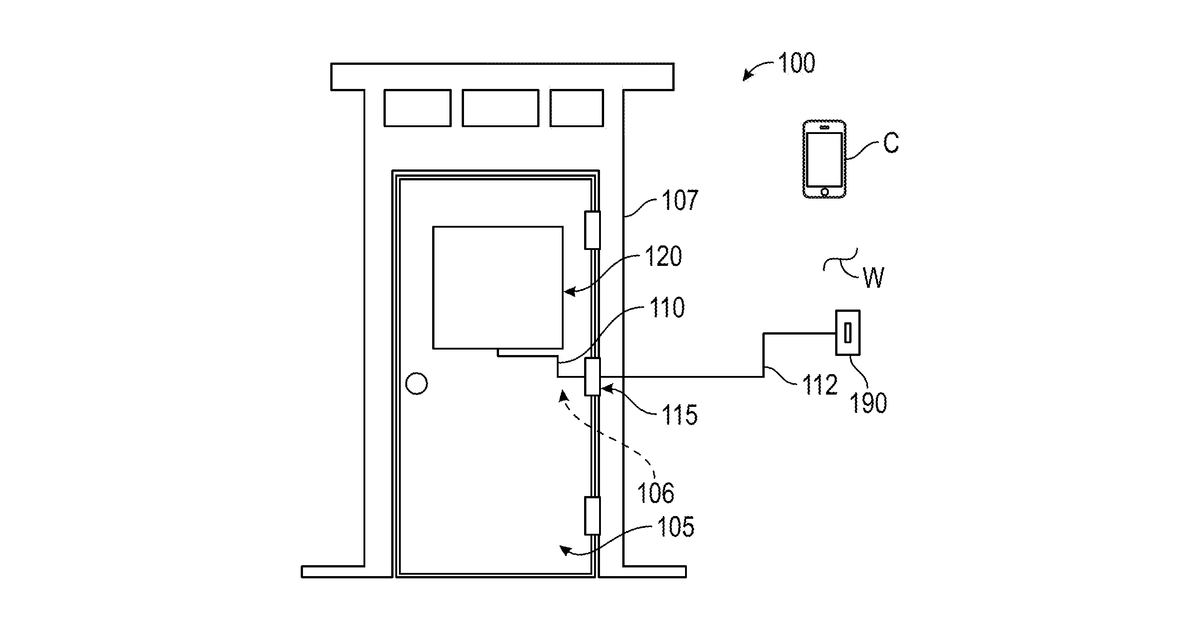
This invention describes a smart lock system that automatically connects a new electronic lock to a user's account. A small device, called a controller, detects the lock and sends its details to a central server without the user having to do anything. The server then registers the lock to the user and sends a digital key to their phone. Crucially, once set up, the lock can decide whether to grant access using the digital key directly from the phone or via the controller, even if the central server is offline. The controller specifically uses Bluetooth to talk to the lock and Wi-Fi or cellular data to communicate with the server or phone.
Why it matters: Since 2020, the cost and integration of multi-protocol IoT chips for devices like the controller have decreased, simplifying hardware development. Furthermore, the increasing demand for local, server-independent operation in smart home devices for enhanced reliability and privacy makes this architecture more appealing.
AI gives you a few directions you could take this. Pick one, and we check whether your version is different enough to patent, then write the filing.
Reinvent this with AI


