
Turn abandoned patents
into your own filing
into your own filing
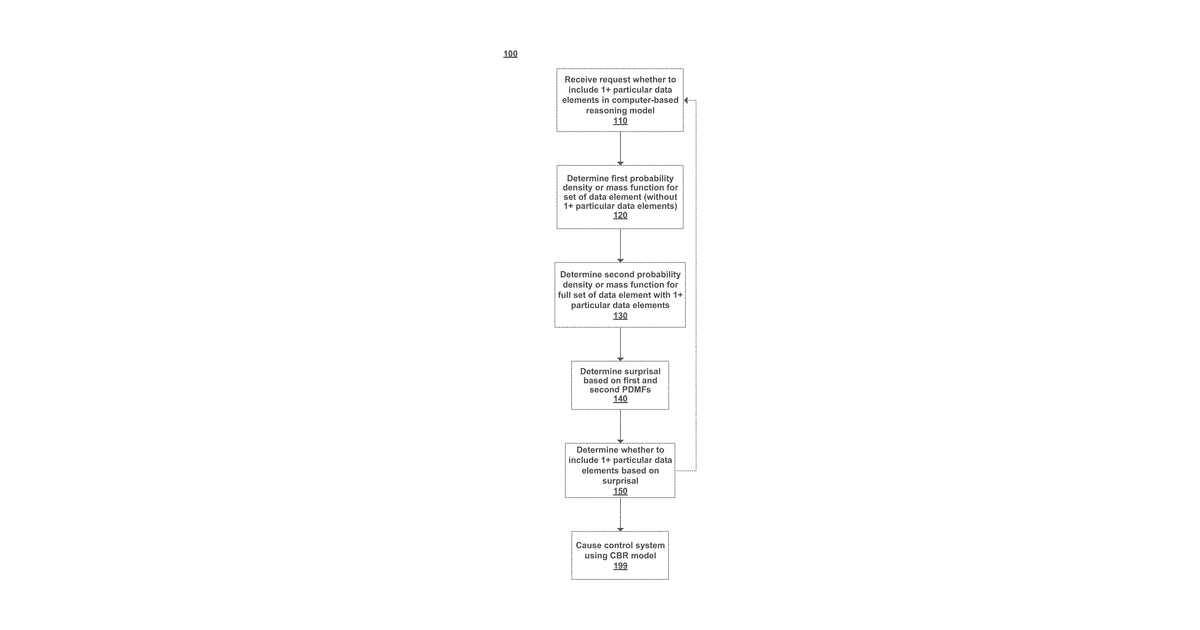
This invention describes a method for identifying unusual or problematic data within artificial intelligence models. It works by calculating 'conviction scores' for individual data points, such as how familiar the model is with that data and how much it contributes to overall distance metrics. If these scores fall below specific thresholds, the data point is flagged as anomalous, allowing the system to decide whether to exclude it or to use the model to control real-world systems like self-driving cars.
Why it matters: The exponential growth in the scale and complexity of AI models since 2020, especially large language models, has made automated anomaly detection in training data and model outputs far more critical. The increasing deployment of AI in high-stakes applications like self-driving cars and healthcare also amplifies the need for robust, explainable methods to ensure data quality and model reliability.
AI gives you a few directions you could take this. Pick one, and we check whether your version is different enough to patent, then write the filing.
Reinvent this with AI


