
Turn abandoned patents
into your own filing
into your own filing
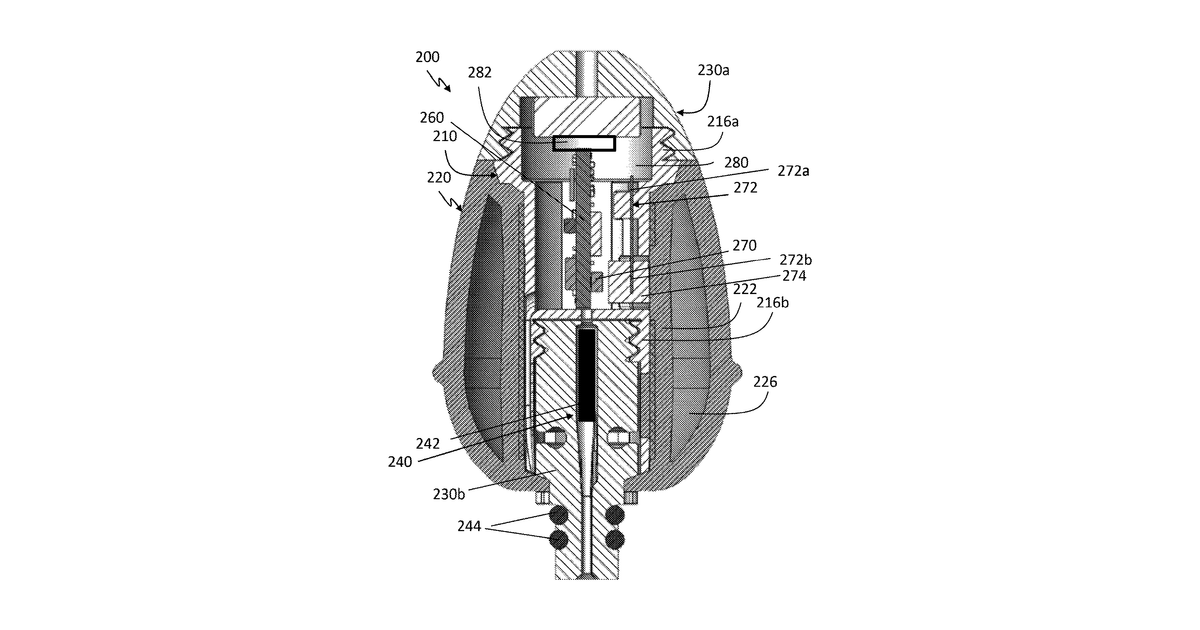
The device is a handheld controller for surgical robots. It features a flexible outer casing around a hollow core, designed to be held by a user. Sensors inside detect how the user deforms or squeezes the flexible casing, and these detected deformations are then used to control the surgical robot.
Why it matters: Over the past six years, advancements in flexible sensor technology and miniaturized optical sensors have likely improved the precision and reliability of detecting subtle housing deformations. This progress could now enable more robust and responsive control interfaces for surgical robots.
AI gives you a few directions you could take this. Pick one, and we check whether your version is different enough to patent, then write the filing.
Reinvent this with AI


