Turn abandoned patents
into your own filing
into your own filing
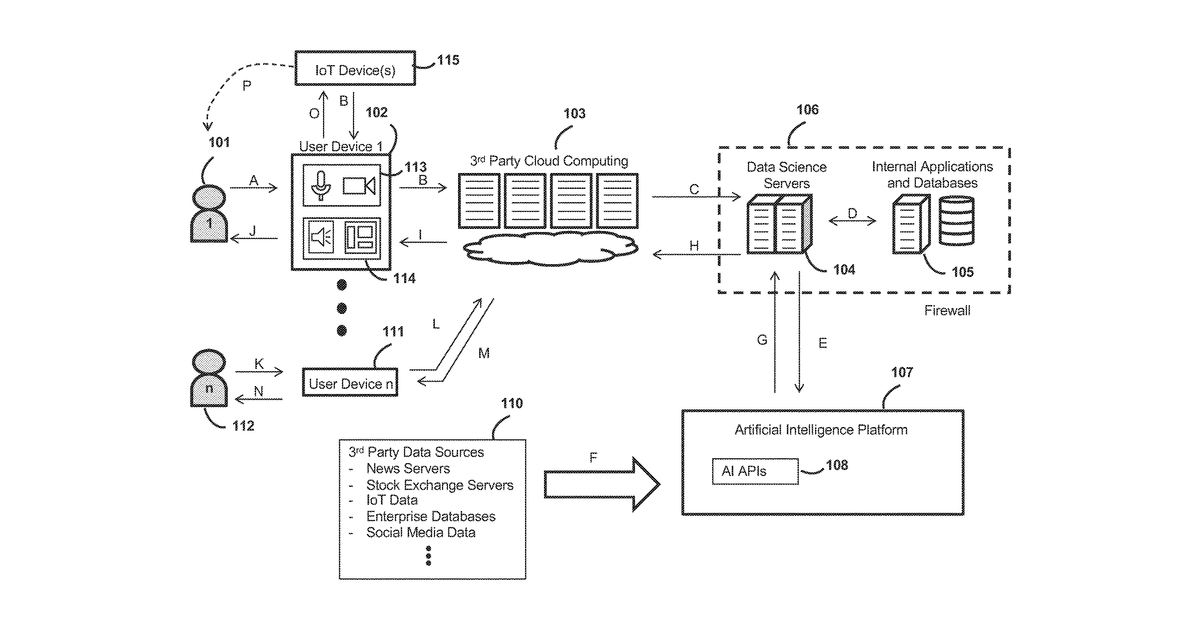
This invention describes a device that listens to a person's voice, converts it to text, and sends it to a central computer system. That system then sends back two distinct pieces of information, which the device presents either one after the other or layered on top of each other. The claims focus solely on this specific client-server interaction for delivering dual responses, rather than the broader dementia assistance described in the abstract.
Why it matters: Filed before large language models could easily generate nuanced, multi-part conversational responses. The ability to autonomously generate and differentiate between 'first response data' and 'second response data' from a server has become much more feasible and sophisticated.
AI gives you a few directions you could take this. Pick one, and we check whether your version is different enough to patent, then write the filing.
Reinvent this with AI


