
Turn abandoned patents
into your own filing
into your own filing
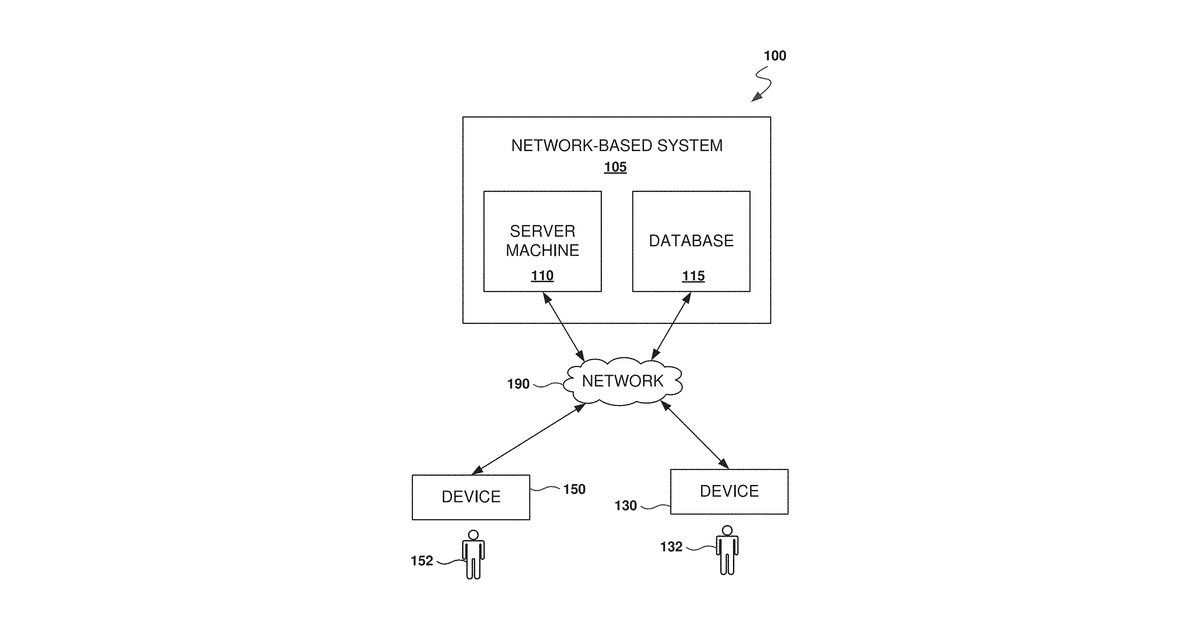
This invention describes a computer system that predicts how much damage a building might suffer after an earthquake. It works by using mathematical models called 'fragility functions' that estimate the likelihood of damage. After an earthquake, if a building is damaged, the system automatically updates these models (specifically, by making them predict damage more easily in the future) to learn from the real-world event. This updated model is then used to make more accurate predictions for future earthquakes. The claims narrow this to a machine-learning program that specifically decreases the mean of the fragility function when damage occurs.
Why it matters: Filed in 2017, this invention relies on machine learning to adapt its predictive models. Since then, the accessibility, computational power, and sophistication of machine learning frameworks and cloud computing have advanced significantly, making the development and deployment of such data-intensive, adaptive systems more practical and efficient today.
AI gives you a few directions you could take this. Pick one, and we check whether your version is different enough to patent, then write the filing.
Reinvent this with AI


