
Turn abandoned patents
into your own filing
into your own filing
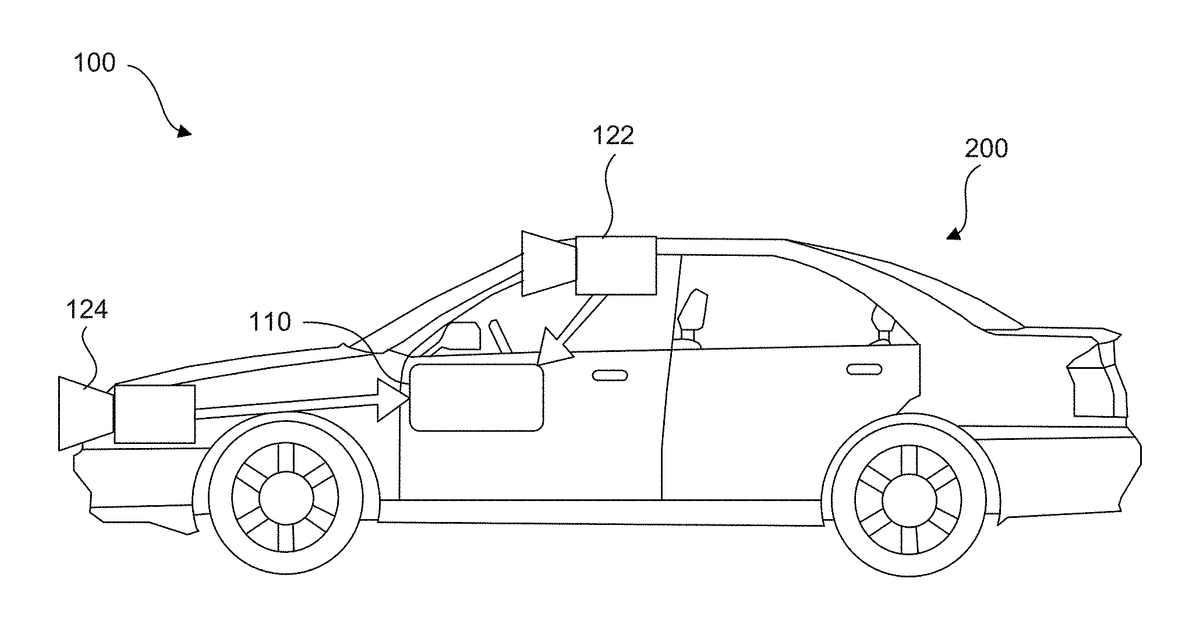
This invention describes a system for a vehicle to detect objects in front of it using a camera. It works by taking two images, comparing them to see how pixels have moved, and then identifying a group of pixels that appear to be expanding from a common point at a consistent rate. This specific pattern helps the system recognize an upright object. The claims narrow this down to specifically detecting a 'crossing object' that appears to stay fixed on the horizontal axis of the camera's view while expanding in size, indicating it has a low time to collision.
Why it matters: Since 2020, advancements in embedded processing power and specialized AI accelerators have made real-time, complex computer vision algorithms like those described more feasible and cost-effective for in-vehicle systems. This allows for more robust and efficient implementation of the specific geometric calculations for object detection.
AI gives you a few directions you could take this. Pick one, and we check whether your version is different enough to patent, then write the filing.
Reinvent this with AI


