
Turn abandoned patents
into your own filing
into your own filing
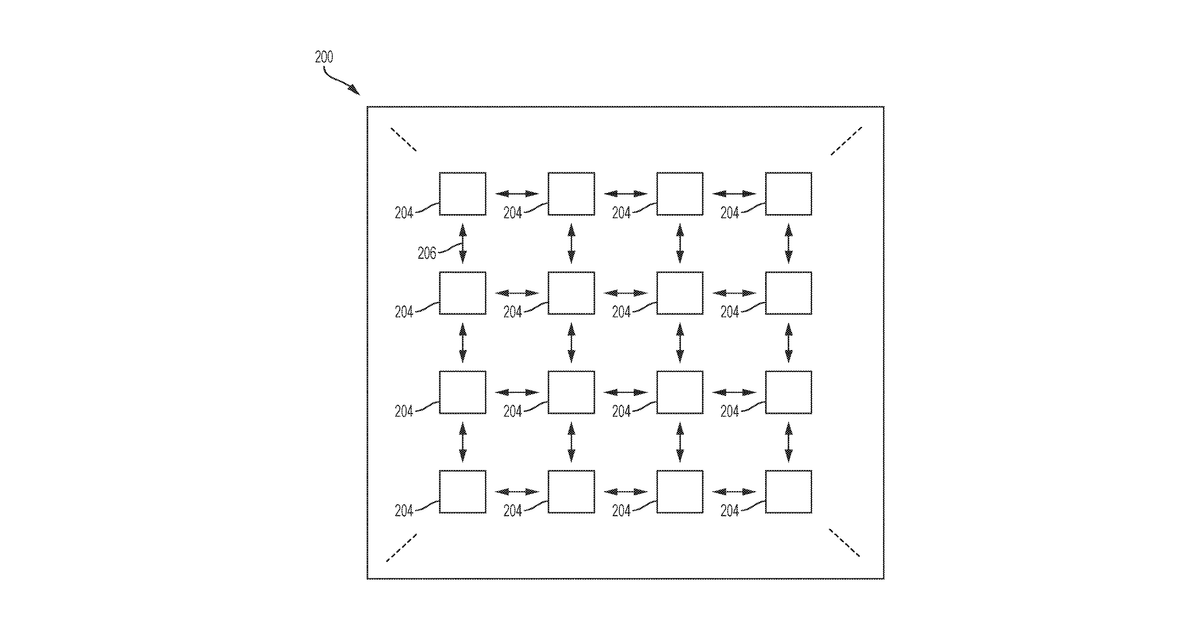
This invention describes a way to create the precise instructions for a quantum computer to perform a specific task. It works by first understanding what the quantum computer needs to do. Then, it maps out the quantum computer's components, called qubits, and how they can interact, like drawing a diagram with connections. Finally, it uses this diagram to figure out the best sequence of operations for the quantum computer to execute the task. A key aspect is that the diagram can include information about how reliable each connection between qubits is, allowing the system to choose the most dependable operations.
Why it matters: Quantum hardware has scaled significantly since 2019, making efficient and high-fidelity control sequences essential for practical applications. This graph-based approach, especially with fidelity weighting, directly addresses the growing need to optimize quantum circuits for noisy, real-world quantum processors.
AI gives you a few directions you could take this. Pick one, and we check whether your version is different enough to patent, then write the filing.
Reinvent this with AI


