
Turn abandoned patents
into your own filing
into your own filing
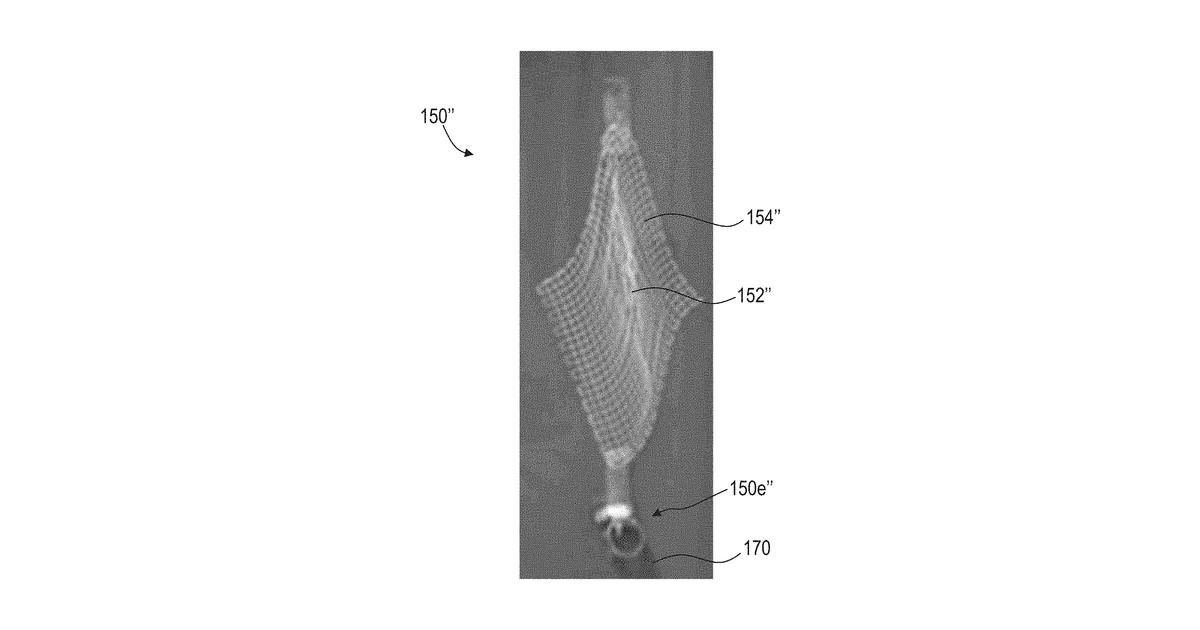
This invention describes a method for 3D printing flexible structures, specifically surgical meshes or braces, directly onto a patient-specific anatomical template. It works by extruding a polymer dissolved in a solvent, then selectively bonding parts of the printed filament to create a multi-layered, woven structure that precisely fits the patient's body.
Why it matters: In 2016, patient-specific 3D modeling and advanced material extrusion for soft, biocompatible structures were still nascent. Today, medical imaging and AI-driven design tools can generate precise anatomical templates, while material science has advanced suitable polymers for solvent-based extrusion.
AI gives you a few directions you could take this. Pick one, and we check whether your version is different enough to patent, then write the filing.
Reinvent this with AI


