
Turn abandoned patents
into your own filing
into your own filing
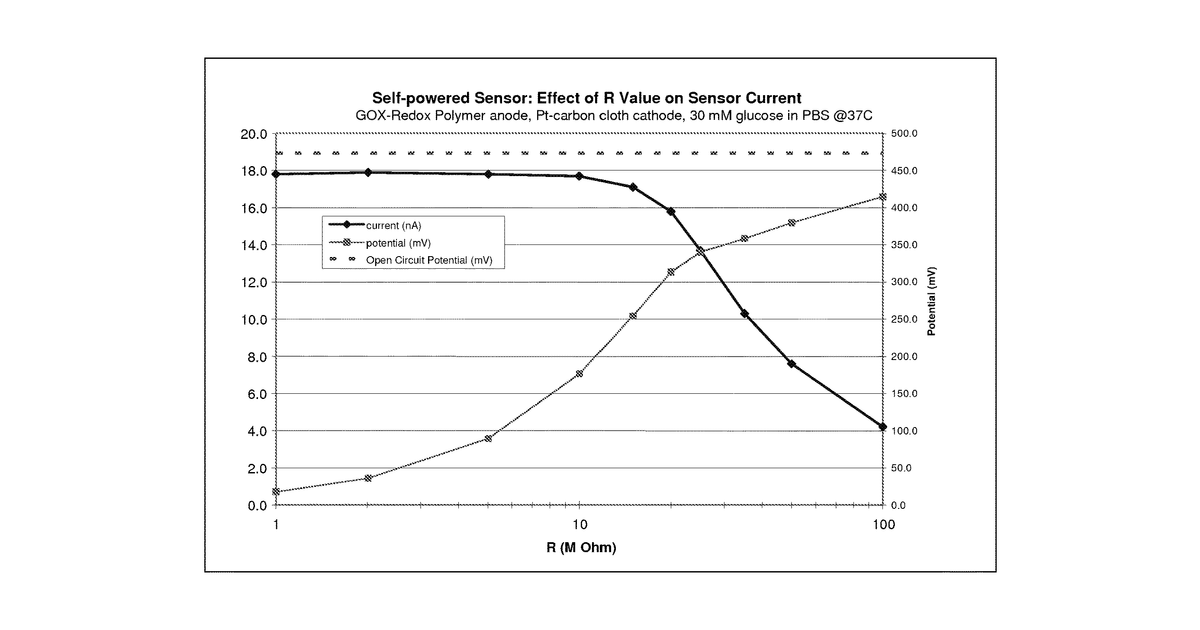
This invention describes a sensor that measures substances in the body, like glucose, without needing a battery. It works by using a special electrode coated with an enzyme that reacts with the substance, generating a small electrical current directly proportional to how much of the substance is present. This current flows through a resistor, creating a signal that indicates the substance's concentration.
Why it matters: Since 2018, advancements in ultra-low-power microelectronics and wireless communication have made it more practical to capture and transmit the inherently low-power signals from such a self-generating sensor, enabling truly battery-free remote monitoring.
AI gives you a few directions you could take this. Pick one, and we check whether your version is different enough to patent, then write the filing.
Reinvent this with AI


