
Turn abandoned patents
into your own filing
into your own filing
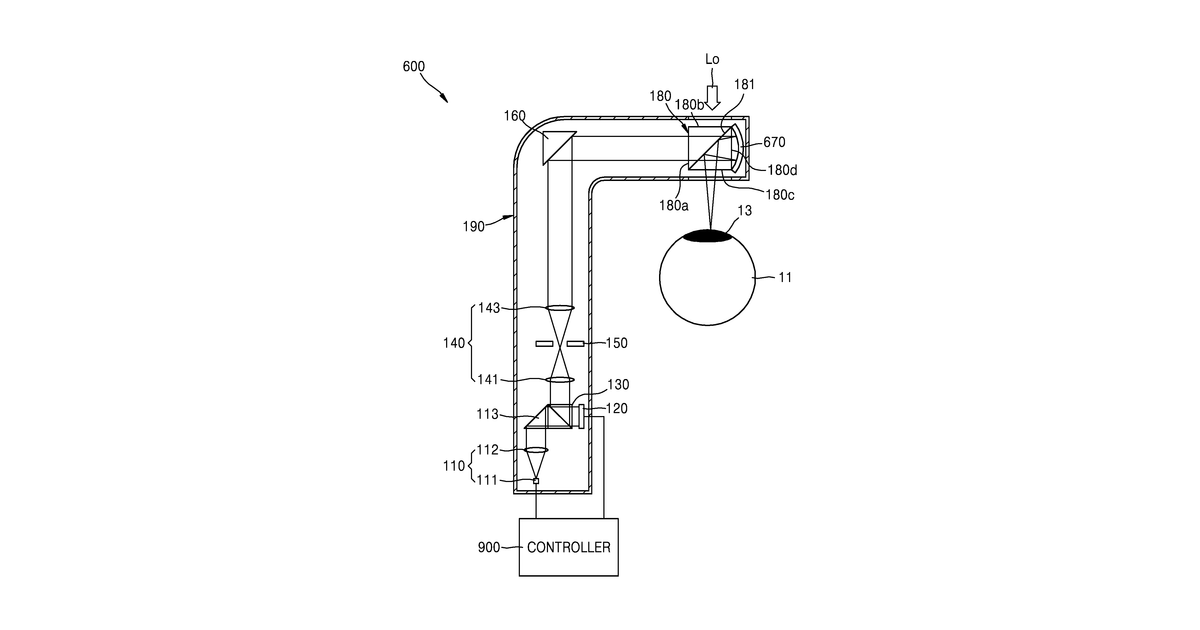
This invention describes a see-through display that projects holographic images onto a transparent surface. It generates these images using a light source and a special screen called a spatial light modulator, which creates the hologram. An optical system then adjusts the image size, and a filter cleans up any visual noise before it's displayed. The initial claims focus specifically on these components, not including the light path converter mentioned in the abstract.
Why it matters: The decade since 2016 has seen significant advancements in spatial light modulator resolution and efficiency, alongside miniaturization of precision optics for head-mounted displays. This could enable more compact and higher-quality holographic projections.
AI gives you a few directions you could take this. Pick one, and we check whether your version is different enough to patent, then write the filing.
Reinvent this with AI


