
Turn abandoned patents
into your own filing
into your own filing
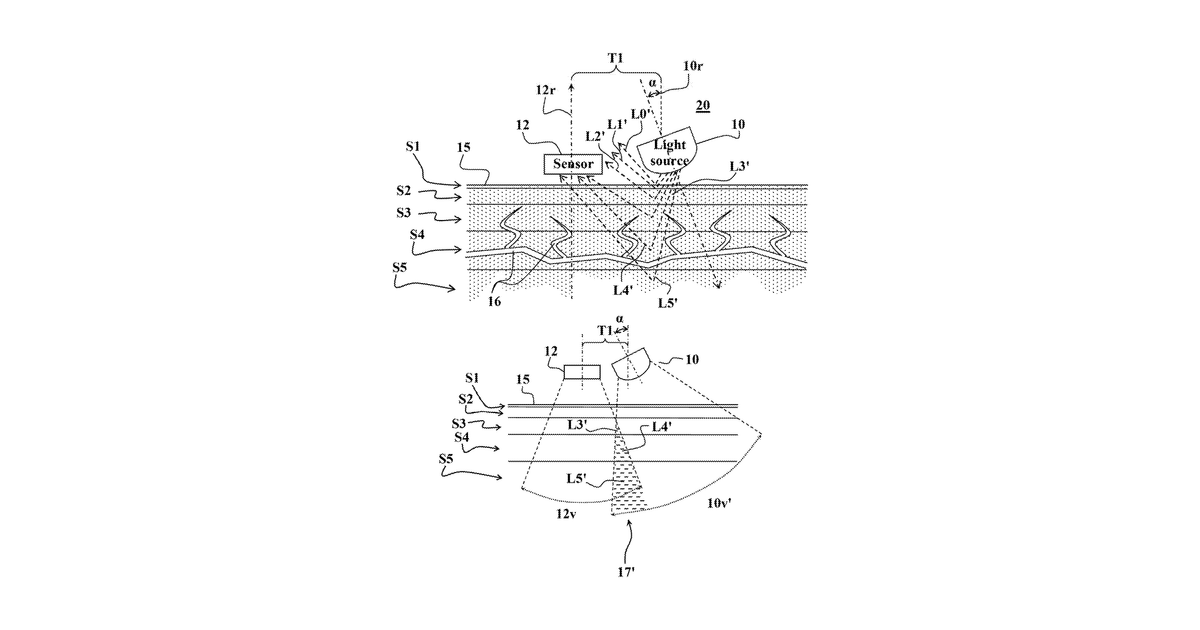
This device measures properties of body tissue by shining light onto it and then catching the reflected light from the same side. The trick is that the light source and the detector are angled relative to each other or to the tissue surface, specifically by at least two degrees. This angled setup helps gather specific information about the tissue.
Why it matters: Since 2016, advancements in compact, high-sensitivity optical sensors and embedded processing have made precise, angled light measurements for biological properties more practical and cost-effective.
AI gives you a few directions you could take this. Pick one, and we check whether your version is different enough to patent, then write the filing.
Reinvent this with AI


