
Turn abandoned patents
into your own filing
into your own filing
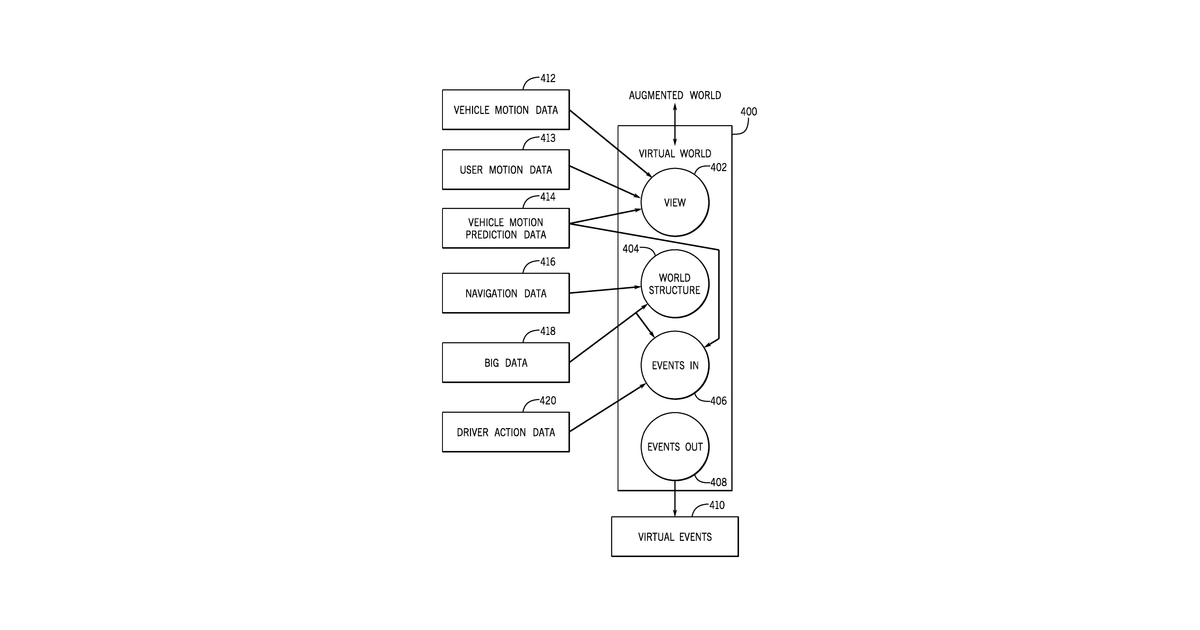
This invention describes a system for creating a virtual reality experience for passengers in a vehicle on a fixed track, such as a theme park ride. It works by using external cameras along the track to track the vehicle's movement, combined with tracking the user's head movements inside. A computer then generates and displays a virtual view, adjusting it in real-time based on both the vehicle's motion and the user's head movements, specifically relying on external imaging units for vehicle tracking.
Why it matters: Since 2017, advancements in real-time computer vision and 3D reconstruction from camera feeds have significantly improved the precision and robustness of external vehicle tracking. This makes the core 'imaging unit' component more feasible and accurate for dynamic VR rendering.
AI gives you a few directions you could take this. Pick one, and we check whether your version is different enough to patent, then write the filing.
Reinvent this with AI


