
Turn abandoned patents
into your own filing
into your own filing
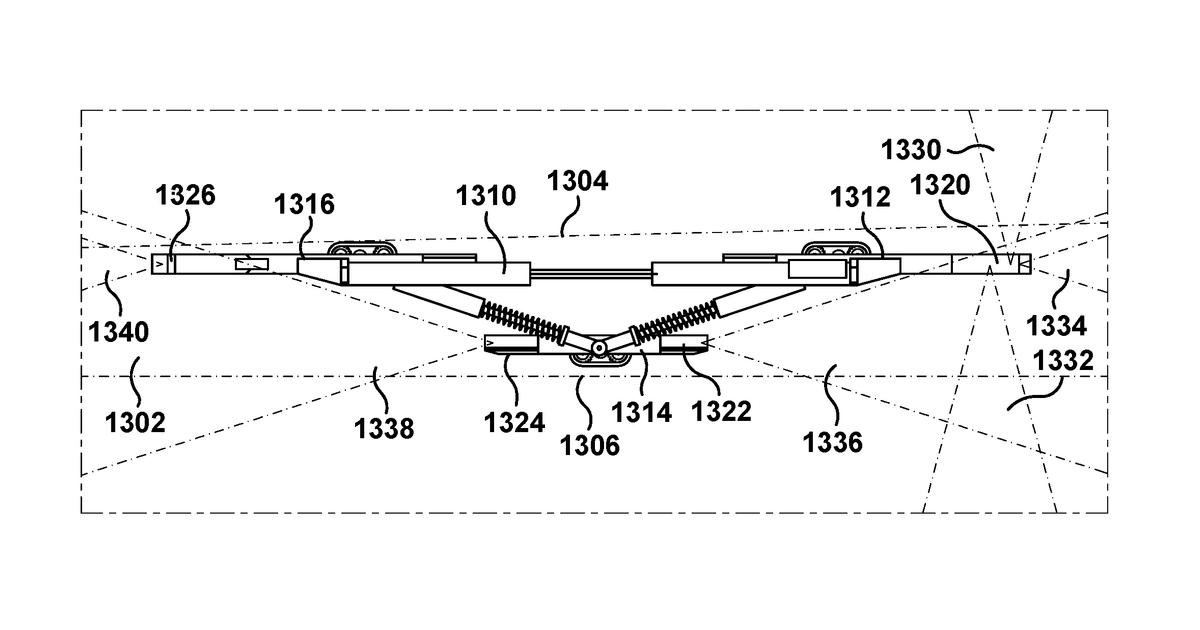
This invention describes a small, flexible robot designed to crawl inside tight spaces, like the gaps within large machines such as generators. It has special wheels or tracks that let it move in any direction, and its body can expand or shrink to fit through narrow openings and then brace itself for stable movement. The robot carries various sensors to look for problems inside the machine, and it can be controlled remotely or even released manually if it gets stuck. The claims specifically detail a robot with these multidirectional traction modules, an expandable body, and a manual emergency release.
Why it matters: Since 2017, advancements in miniaturized robotics components and AI-driven computer vision have made building such a complex, adaptable inspection robot more feasible. Modern machine learning could significantly enhance the sensor modules' ability to autonomously detect and classify defects within the machine's gap.
AI gives you a few directions you could take this. Pick one, and we check whether your version is different enough to patent, then write the filing.
Reinvent this with AI


