
Turn abandoned patents
into your own filing
into your own filing
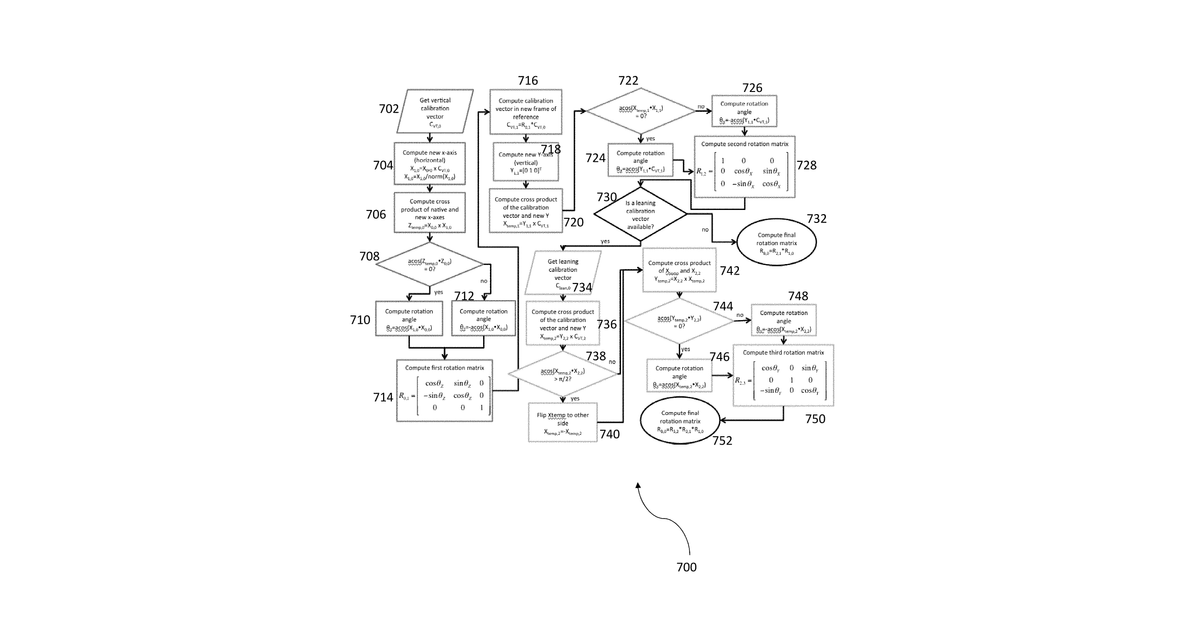
This invention describes a method for setting up a wireless sensor worn on the body so it accurately understands the body's movements and posture. It works by first figuring out which way is "up" relative to the sensor, then using that information to create a mathematical formula that translates the sensor's internal readings into meaningful body axes. The claims narrow this to determining a "first section" of a rotation matrix algorithm, which involves measuring a vertical calibration vector while the body is in specific positions like vertical, supine, reclined, or leaning.
Why it matters: Filed before the widespread adoption of advanced sensor fusion algorithms and on-device machine learning. These advancements, coupled with increased demand for remote patient monitoring and telehealth since 2017, could simplify and enhance the accuracy of such calibration methods.
AI gives you a few directions you could take this. Pick one, and we check whether your version is different enough to patent, then write the filing.
Reinvent this with AI


