
Turn abandoned patents
into your own filing
into your own filing
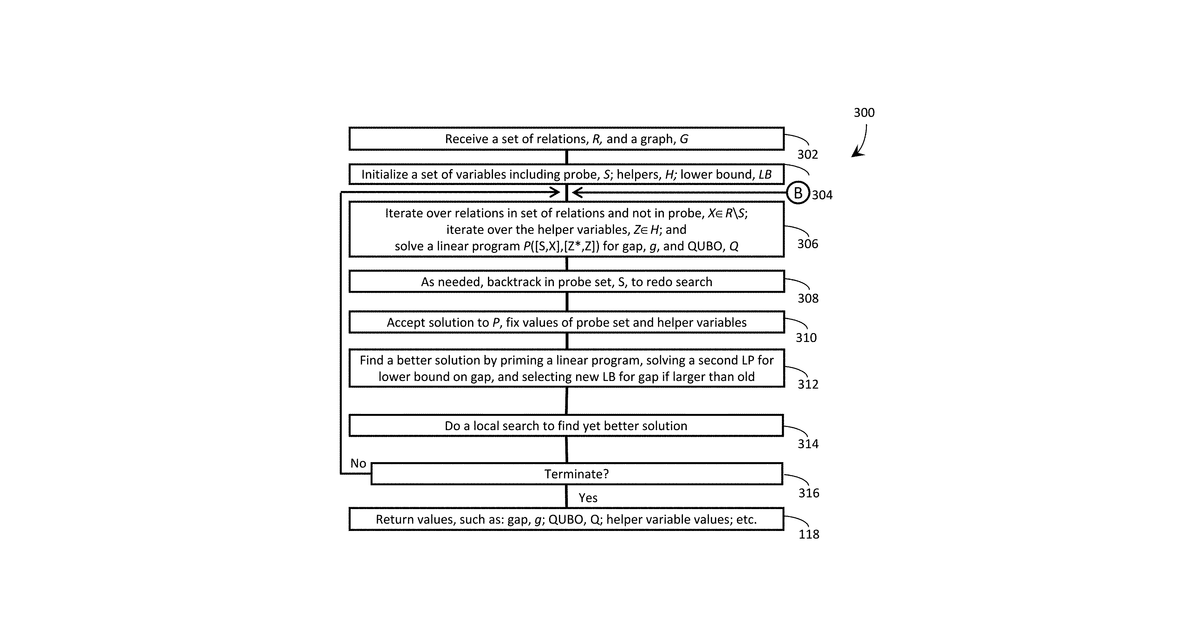
This invention describes a method for creating specific types of problems that quantum computers can solve. It works by translating problem constraints into a mathematical model (an Ising model) that clearly separates correct answers from incorrect ones, ensuring a distinct "penalty gap." The method also takes into account the specific limitations of the quantum computer's hardware. The claims specify that a first computer sets up these problems for a second, quantum computer, potentially using random selection or a "tabu search" technique.
Why it matters: Since 2015, quantum computing hardware has advanced significantly, offering more accessible platforms and improved performance. This makes the design of hardware-aware optimization problems, as described, more practical and essential for leveraging current quantum capabilities.
AI gives you a few directions you could take this. Pick one, and we check whether your version is different enough to patent, then write the filing.
Reinvent this with AI


