
Turn abandoned patents
into your own filing
into your own filing
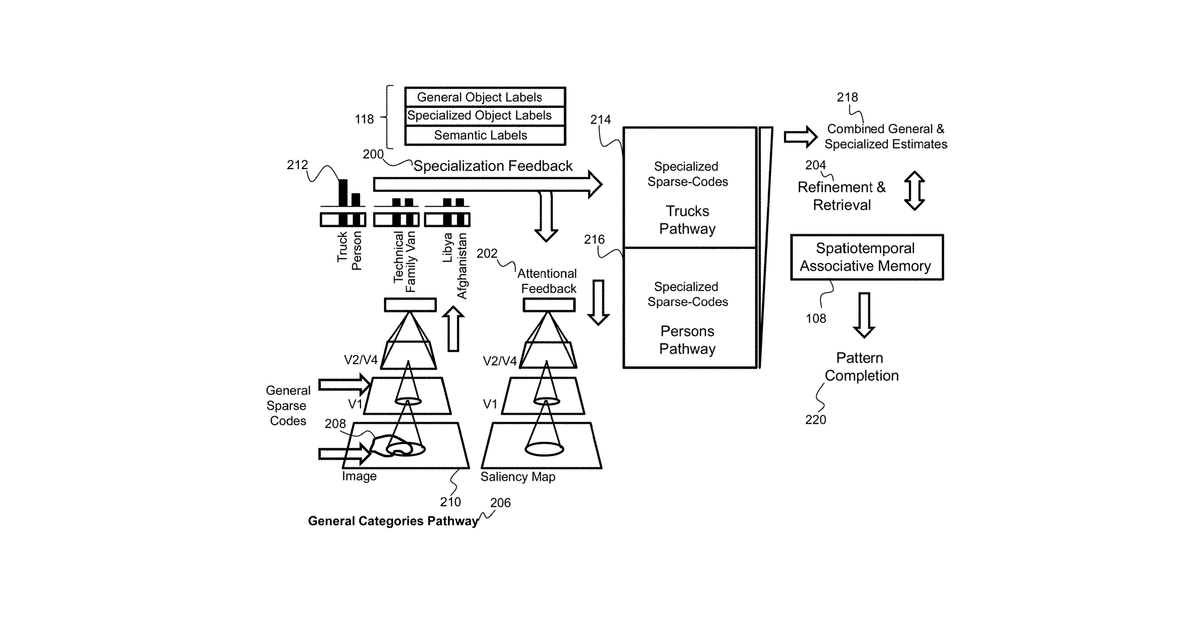
This invention describes a computer system designed to understand and describe images. It processes an image by first applying general filters, then more specialized filters to extract key features, which it calls "sparse codes." These codes are then used to recognize objects and their meaning, fill in missing information, and combine what it sees with its existing knowledge to create a detailed description of the image, including who, what, when, and where. Claim 1 specifically narrows the initial processing to use a non-linear sparse coding module and a first series of sparse coding filter kernels.
Why it matters: Filed before the widespread adoption of deep learning and multimodal AI, which have since revolutionized image understanding and semantic annotation. The ambitious goals of this patent are now far more achievable and robust with current AI capabilities, even if the specific sparse coding method might be superseded.
AI gives you a few directions you could take this. Pick one, and we check whether your version is different enough to patent, then write the filing.
Reinvent this with AI


