
Turn abandoned patents
into your own filing
into your own filing
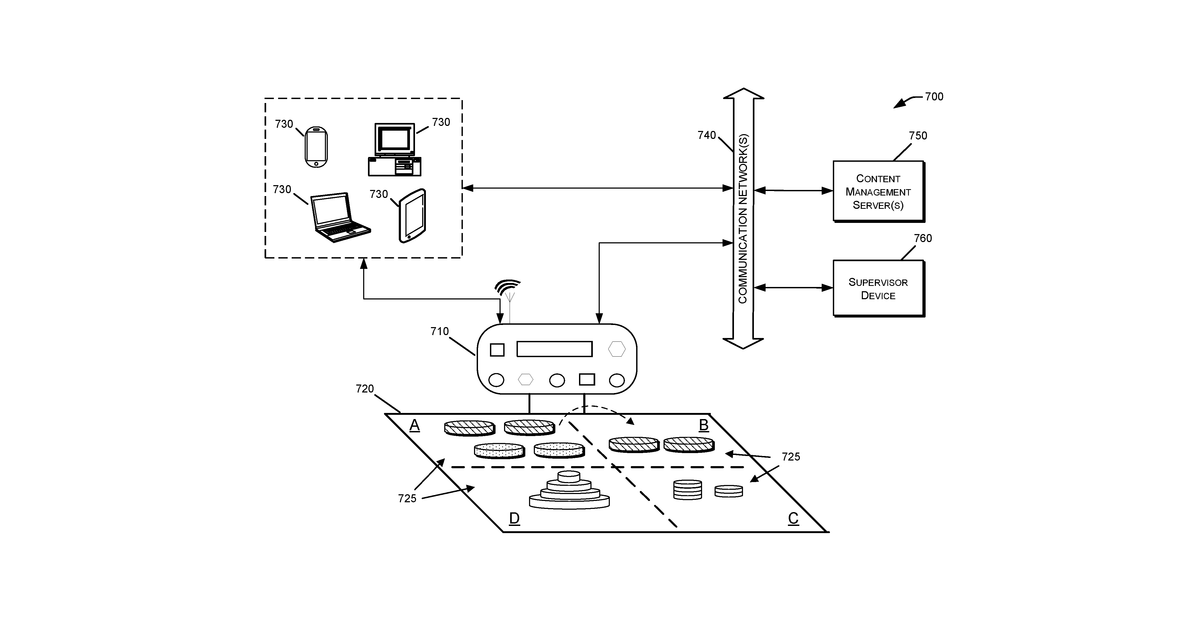
This invention creates a link between physical objects you can touch and move, and their virtual counterparts shown on a screen. It works by using cameras, infrared depth sensors, and audio recorders to detect how you interact with the physical objects. A computer then updates a virtual scene on a display to reflect these physical changes, such as stacking one object on another.
Why it matters: Filed before widespread consumer AR/VR and advanced computer vision. Modern AI models and more affordable, powerful depth sensors can now perform the required real-time tracking and spatial understanding more robustly.
AI gives you a few directions you could take this. Pick one, and we check whether your version is different enough to patent, then write the filing.
Reinvent this with AI


