
Turn abandoned patents
into your own filing
into your own filing
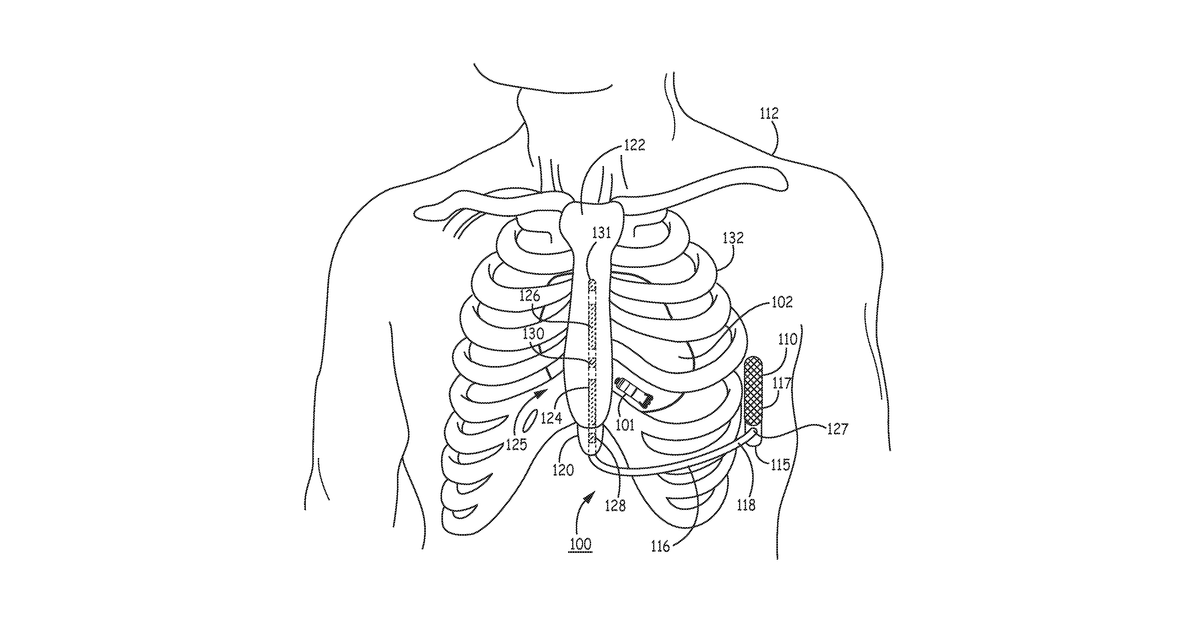
This invention describes a medical device designed to identify irregular heart rhythms in the upper chambers of the heart. It works by continuously monitoring the heart's electrical signals, specifically measuring the time between successive heartbeats. The device calculates how much these beat-to-beat times vary and also checks for a more serious type of irregular rhythm in the lower chambers. If the lower chambers are irregular or if the heart is being artificially paced too much, the device will not attempt to classify the upper chamber rhythm; otherwise, it uses these measurements to determine if an atrial tachyarrhythmia is present.
Why it matters: Since 2016, significant advancements in machine learning and real-time signal processing have emerged, particularly for analyzing complex physiological data. These new computational capabilities could enhance the precision of the classification factors and criteria described, potentially leading to more robust or earlier detection of atrial tachyarrhythmias.
AI gives you a few directions you could take this. Pick one, and we check whether your version is different enough to patent, then write the filing.
Reinvent this with AI


