
Turn abandoned patents
into your own filing
into your own filing
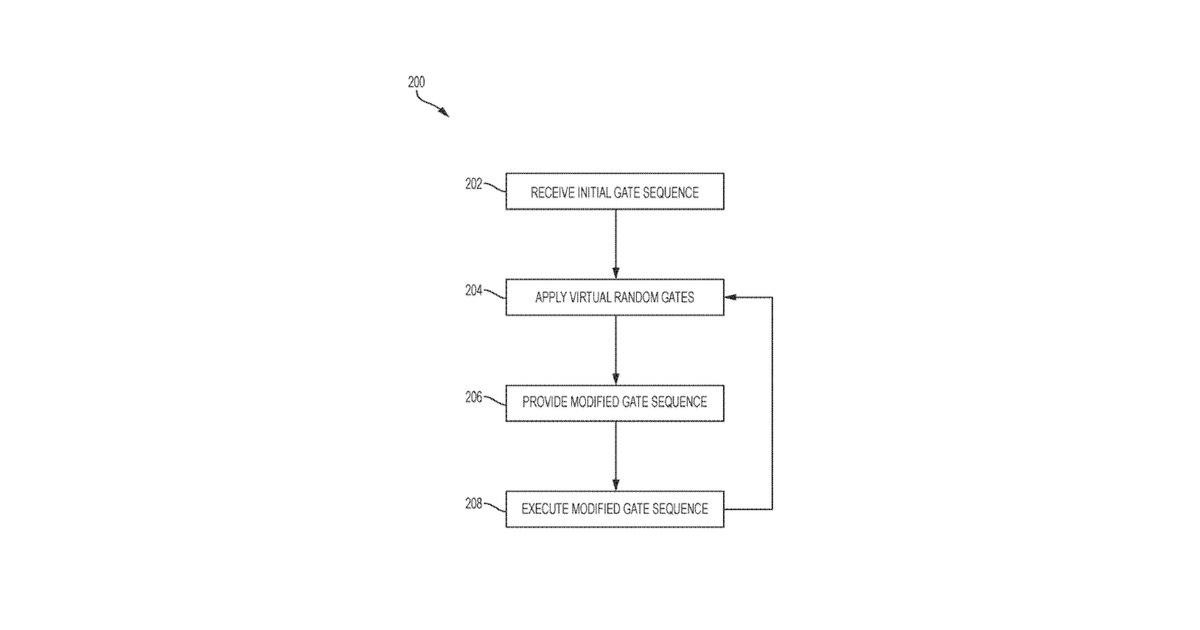
This invention aims to improve the accuracy of quantum computations by reducing the impact of noise. It works by taking an initial quantum program and generating many slightly altered versions, each incorporating a 'virtual random gate' at a specific point. These modified programs are then executed on a quantum computer, and their outcomes are averaged to produce a more reliable, noise-corrected result. The claims specify this process involves organizing the program into 'k-1' and 'k' cycles and using a 'second correction gate' to invert the random gate.
Why it matters: Filed when quantum computers were largely experimental, the intervening years have seen significant advancements in quantum hardware and software development, including cloud access to quantum devices. This makes the implementation of advanced error mitigation strategies like random compiling more feasible and critical for extracting useful results from increasingly complex, yet still noisy, quantum computations.
AI gives you a few directions you could take this. Pick one, and we check whether your version is different enough to patent, then write the filing.
Reinvent this with AI


