
Turn abandoned patents
into your own filing
into your own filing
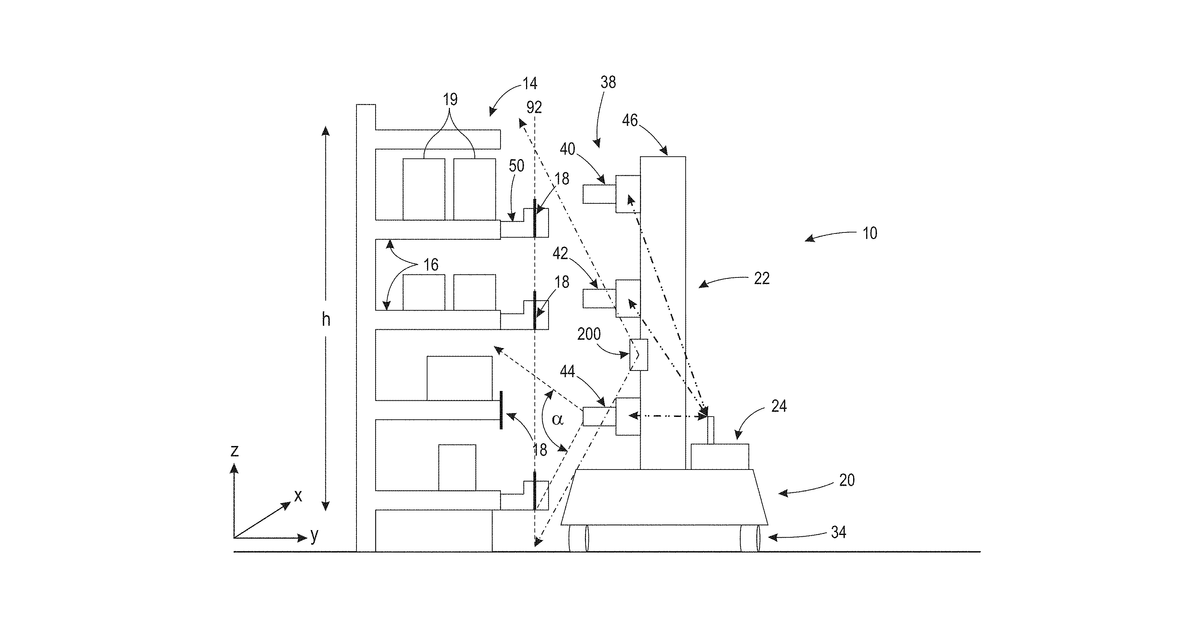
A robot designed for retail stores drives through aisles, scanning shelves with a vertically mounted laser sensor (LIDAR). This sensor creates a 3D map of the products and shelves, which the robot then analyzes to detect missing items or shelf labels. The claims narrow this to a system that converts the 3D map into a pixel image using a specific mathematical conversion.
Why it matters: Since 2016, the cost and size of LIDAR units have decreased significantly, making mobile robotic integration more feasible. Concurrently, advancements in machine learning and computer vision, particularly for 3D data analysis, have greatly enhanced the accuracy and efficiency of detecting objects and anomalies from depth maps.
AI gives you a few directions you could take this. Pick one, and we check whether your version is different enough to patent, then write the filing.
Reinvent this with AI


