
Turn abandoned patents
into your own filing
into your own filing
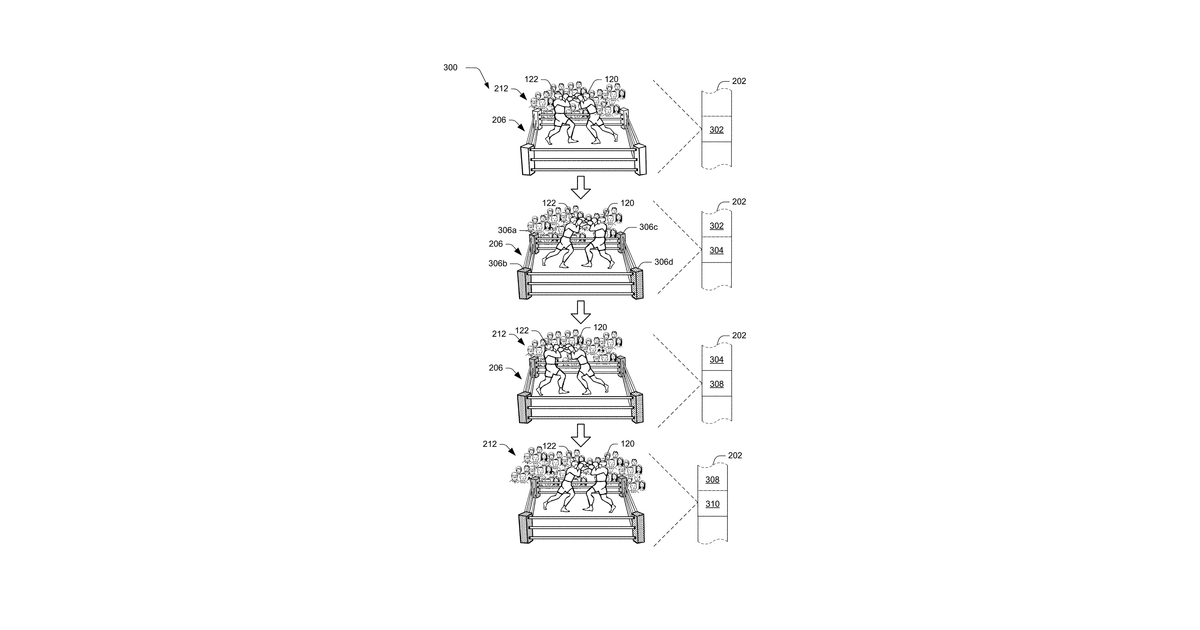
This invention describes a way to make interactive applications, like video games, run more smoothly by splitting up how different parts of the visual content are drawn. Background elements and scenery are rendered less often, perhaps over several frames, and then displayed. Meanwhile, interactive elements that a user can control, like avatars, are rendered and shown immediately with each new frame. The claims specifically focus on updating the background elements during one frame and then displaying that updated version in a subsequent frame.
Why it matters: Filed in 2017, this technique for separating rendering tasks is now more relevant with the widespread adoption of cloud gaming and streaming services. The need to efficiently deliver high-fidelity interactive content to devices with varying processing capabilities, like mobile phones and thin clients, has grown significantly since then, making such distributed rendering strategies more practical and necessary.
AI gives you a few directions you could take this. Pick one, and we check whether your version is different enough to patent, then write the filing.
Reinvent this with AI


